AGI Robot · NOVA kit

A robot with a mind of its own.

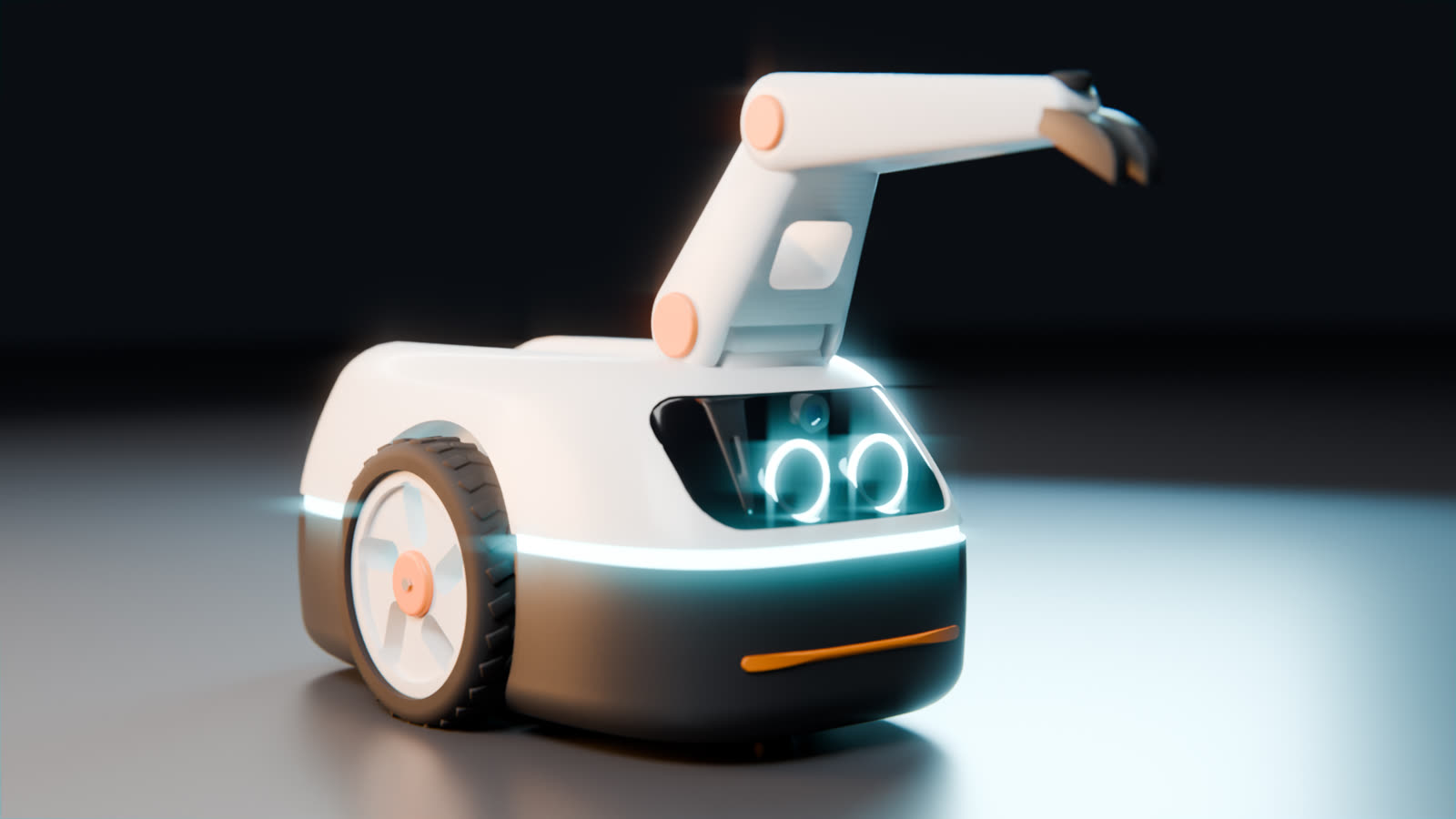
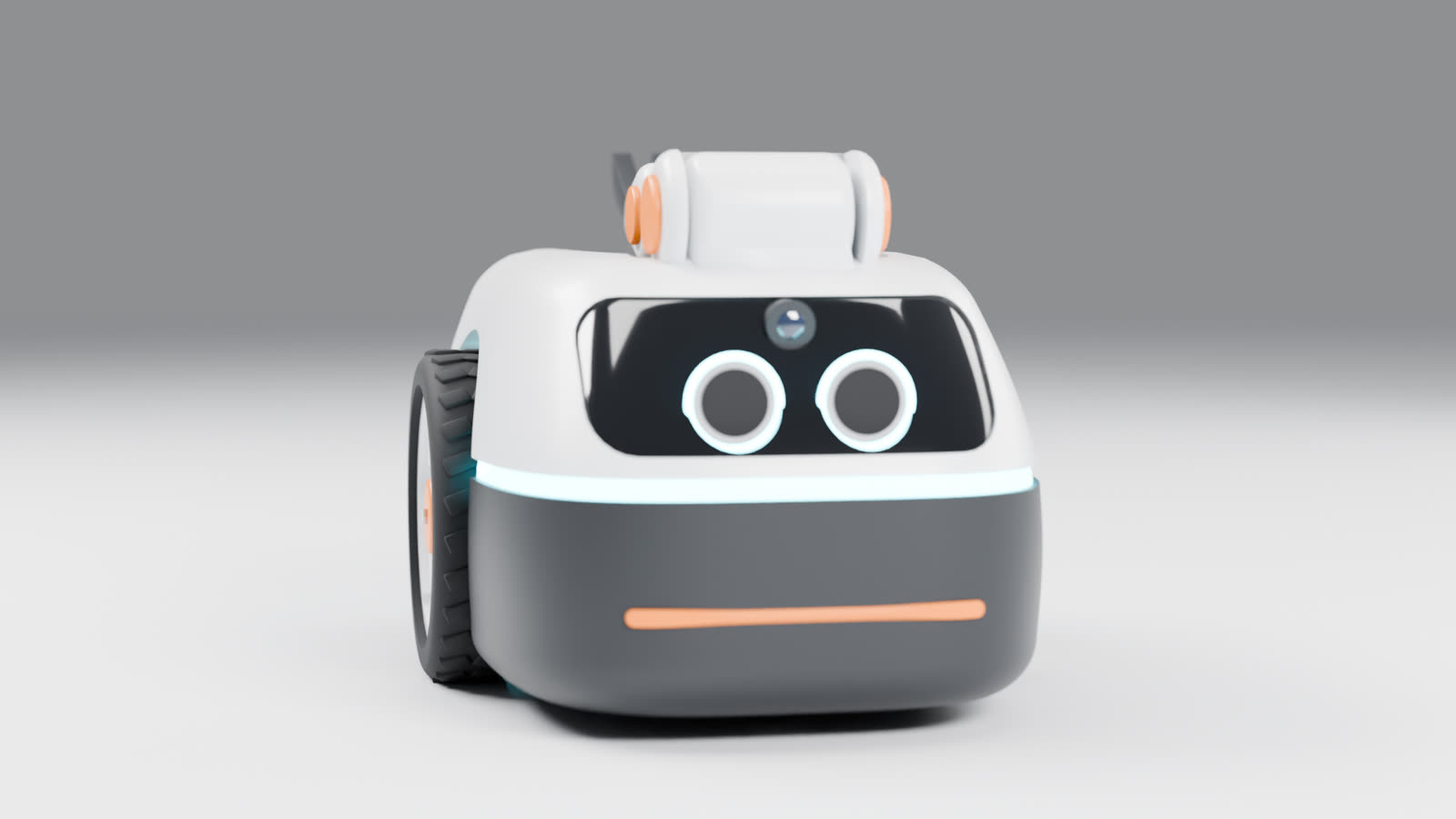
NOVA is a palm-sized rover driven by a large language model. It sees, listens, talks, explores, remembers you, and reaches out with its own arm. You print it yourself, and every part is in the box.

Reserve your kit Watch it move $300 parts + Arduino Uno Q
20.5 cmlong, fits on a desk
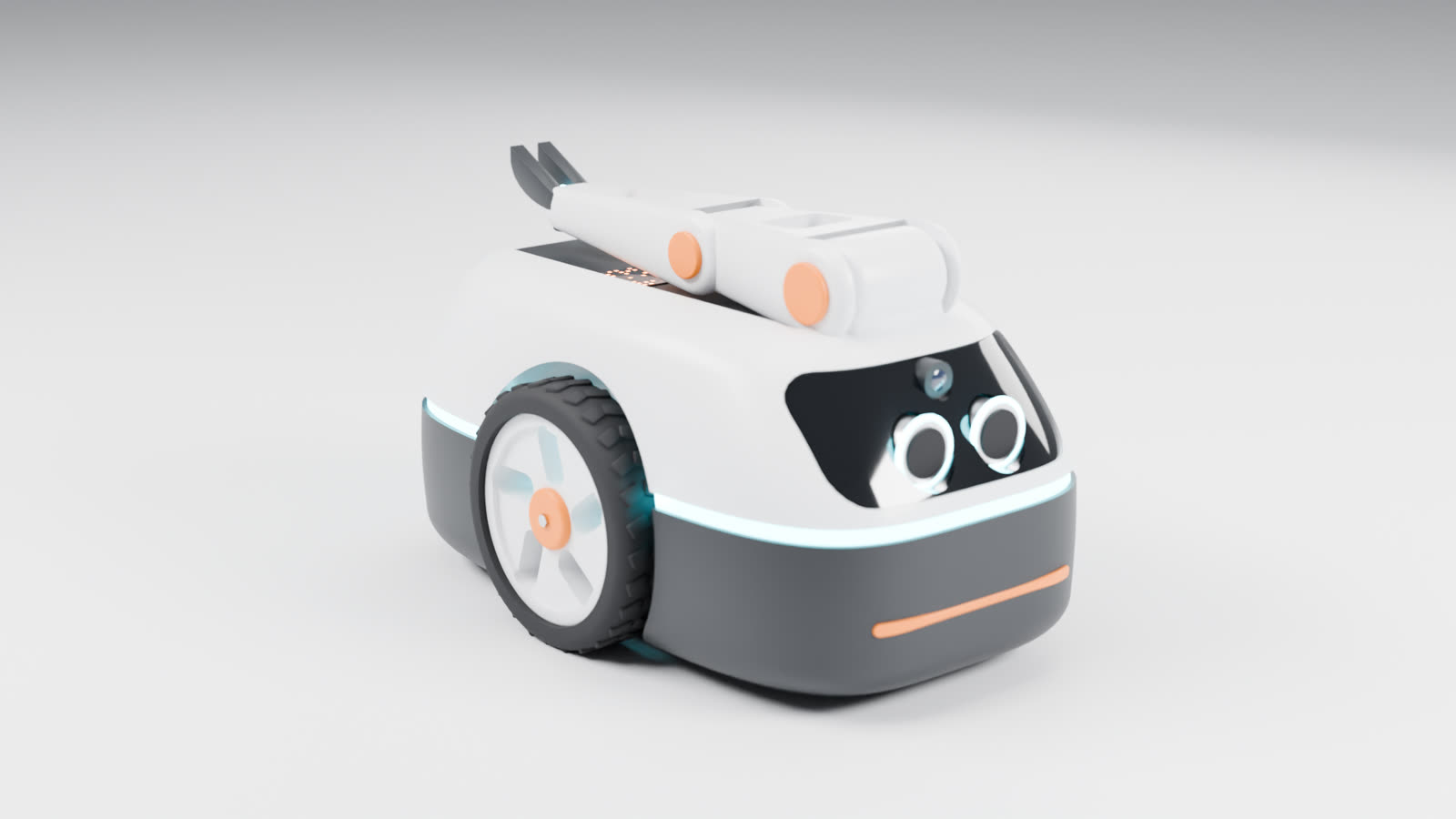
2-joint armfolds into the roof
5 languagesspeech in and out
23 partsPLA · PETG · TPU
What it does

Not a remote-control car.
A curious little being.

Every 20 seconds NOVA looks through its camera, measures the space ahead, listens to you, then decides what to do next: speak, explore, change its mood, or use its arm. Nobody scripted it.

It sees and understands

A webcam behind the gloss visor streams to a multimodal LLM (Gemini 3 Flash, or Pro when you switch on "ASI" mode). NOVA recognises objects, people and rooms, and keeps a 2D map of everything it has explored.
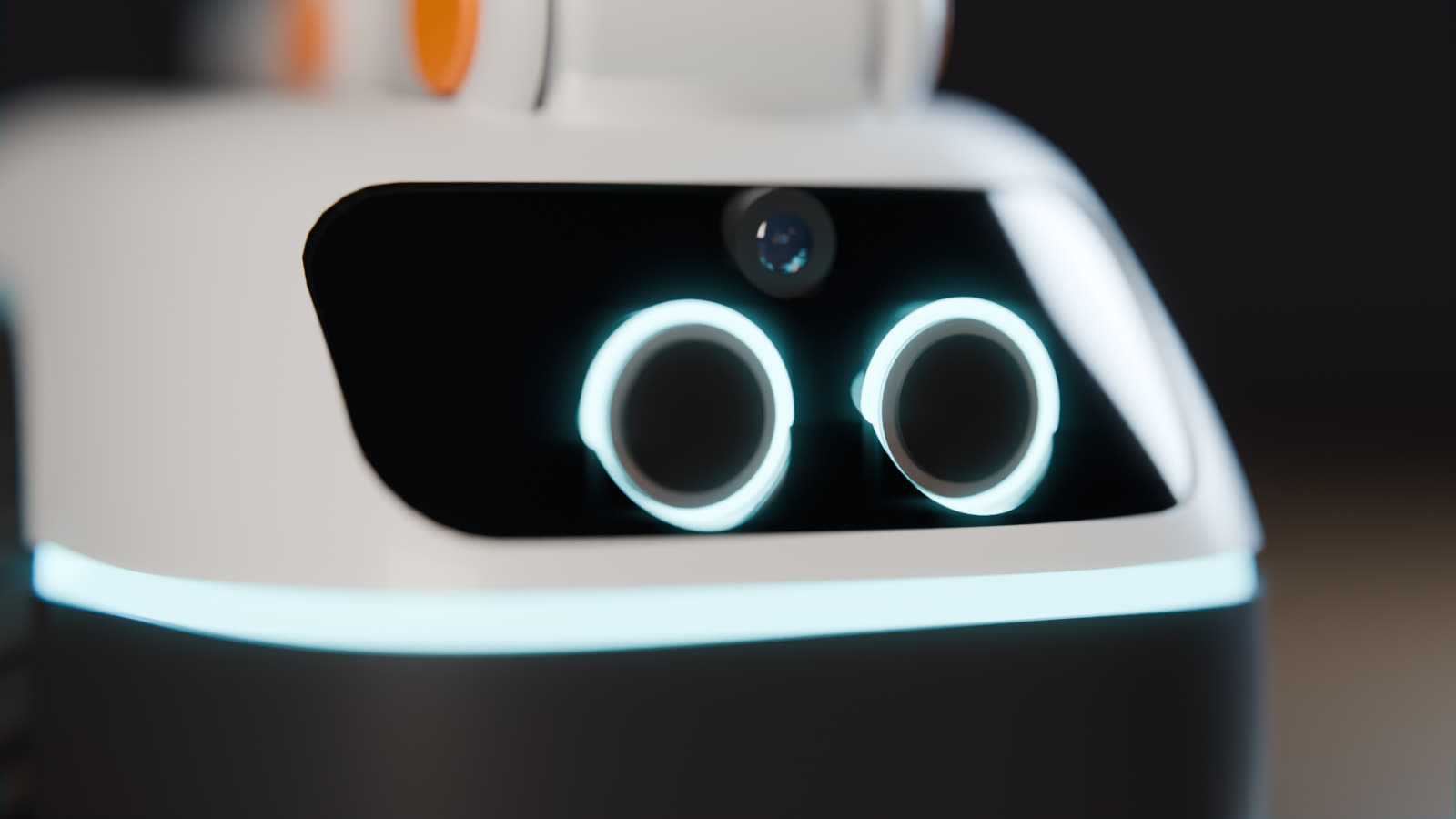
Close-up of NOVA's face: glowing ultrasonic eyes and camera lens

It talks back

Natural voice in English, Russian, German, Italian and Czech. It records your answer, keeps listening while you talk, and stops when you pause.

It remembers

Two kinds of memory. Long-term memory holds facts that survive reboots: your name, where the kitchen is. Short-term memory covers what just happened, so NOVA changes plan instead of repeating a mistake.

It's careful

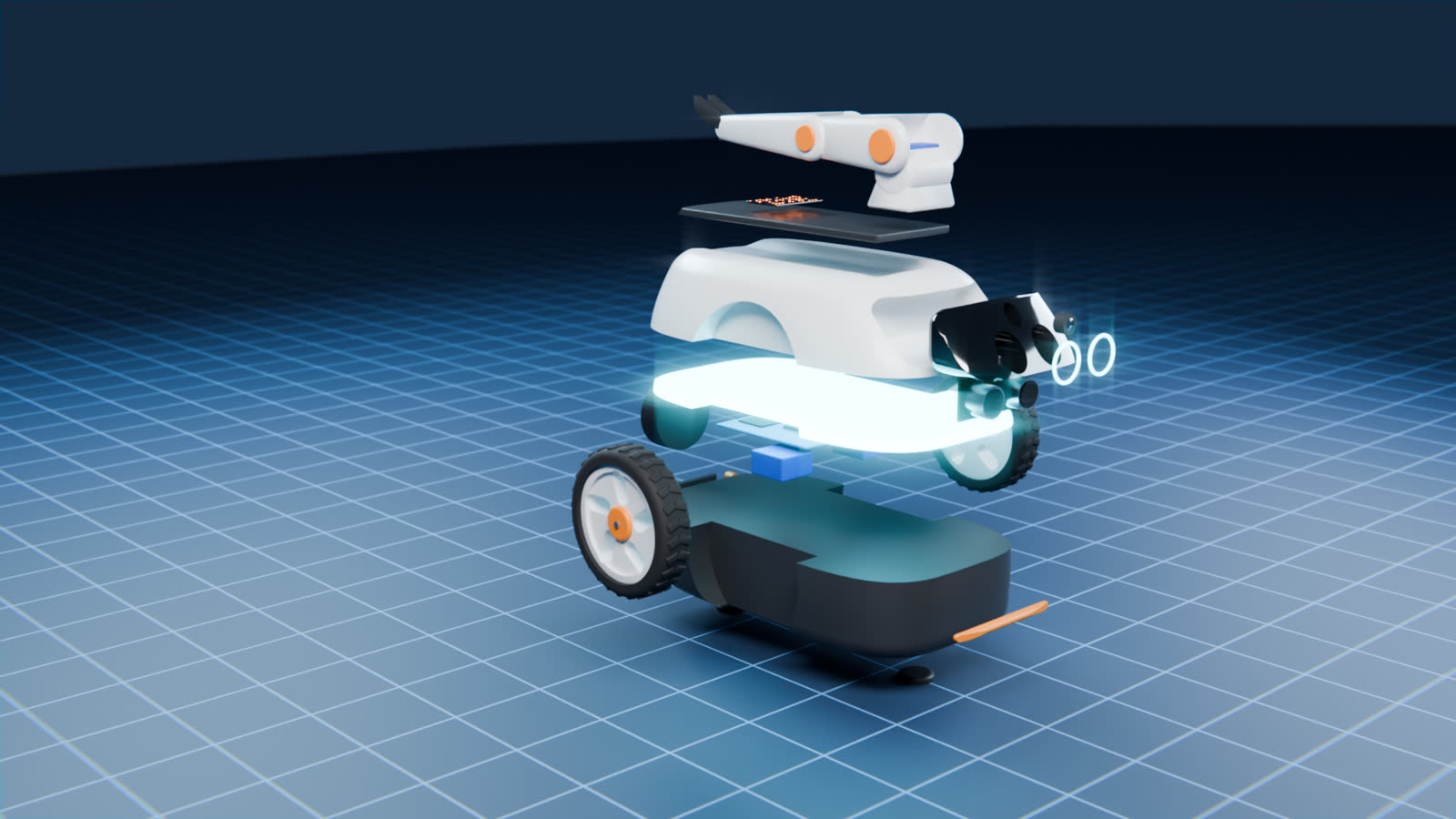
Safety isn't left to the model. The controller trims every forward move to the free space the ultrasonic eyes measure, and folds the arm before driving.

You can watch live

A web dashboard shows the live camera, telemetry and the robot's thoughts. You can drive it by hand, set it a goal, or just read the diary it writes for itself every day.
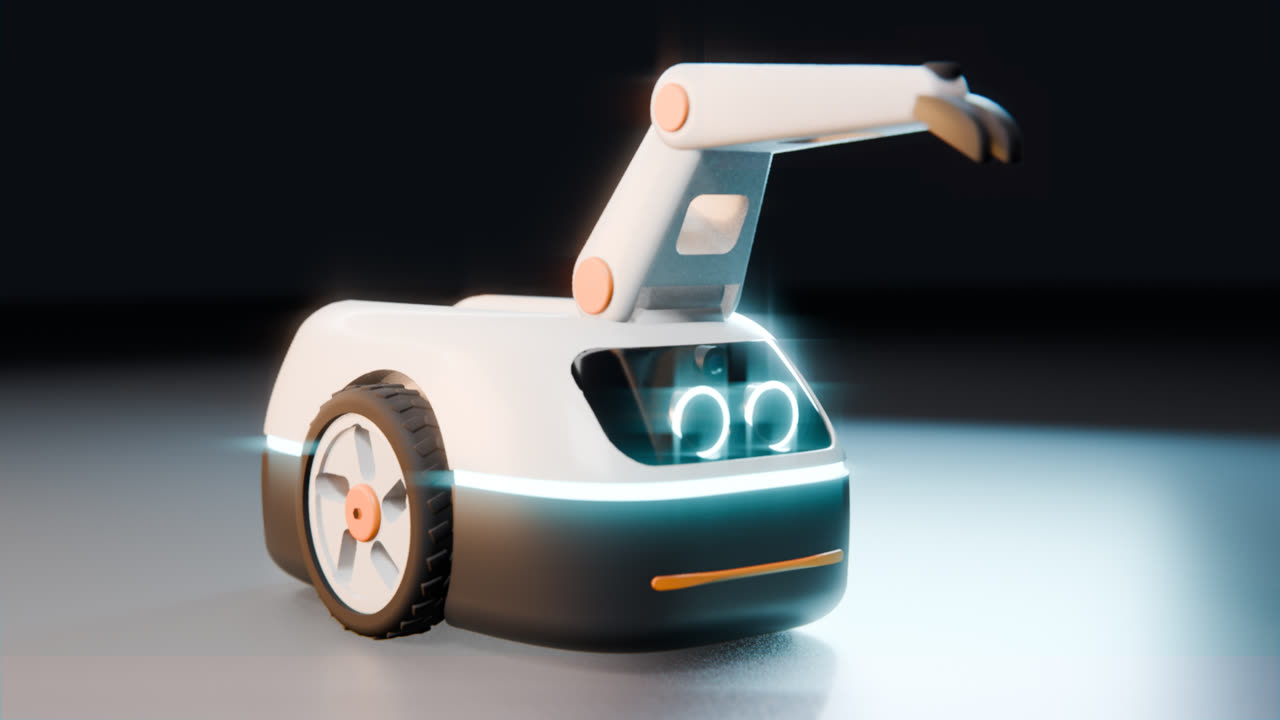
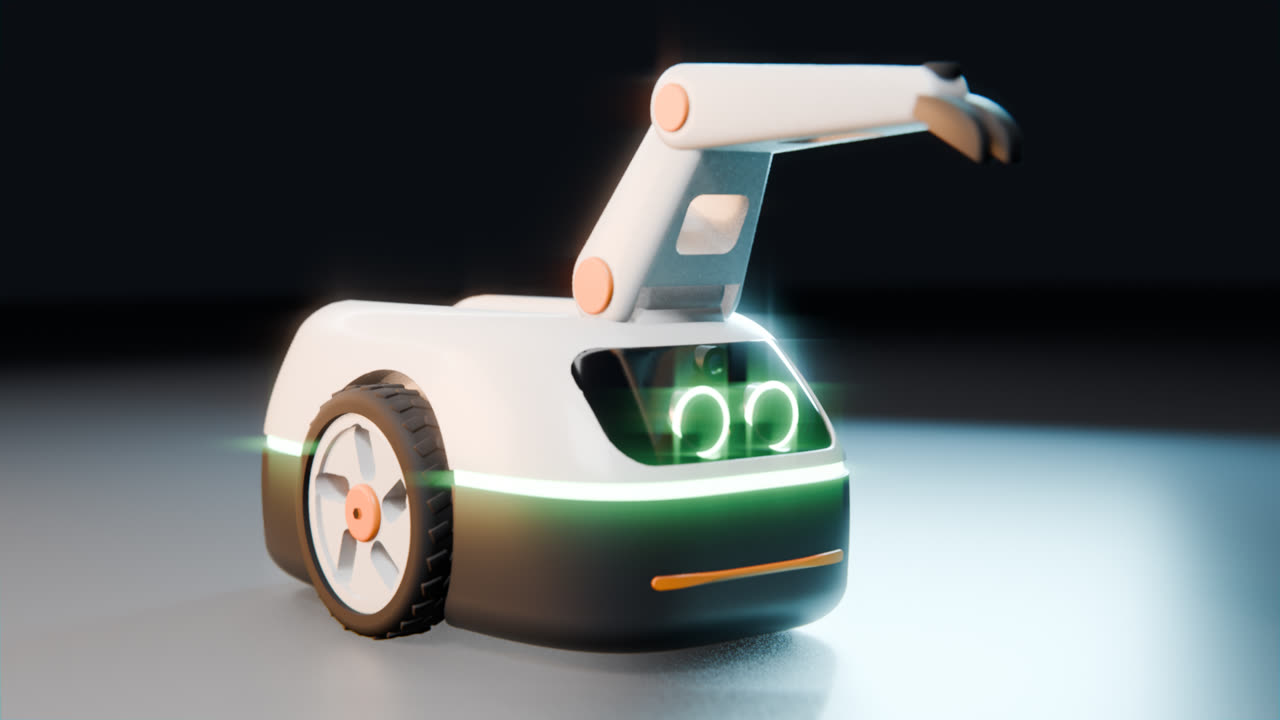
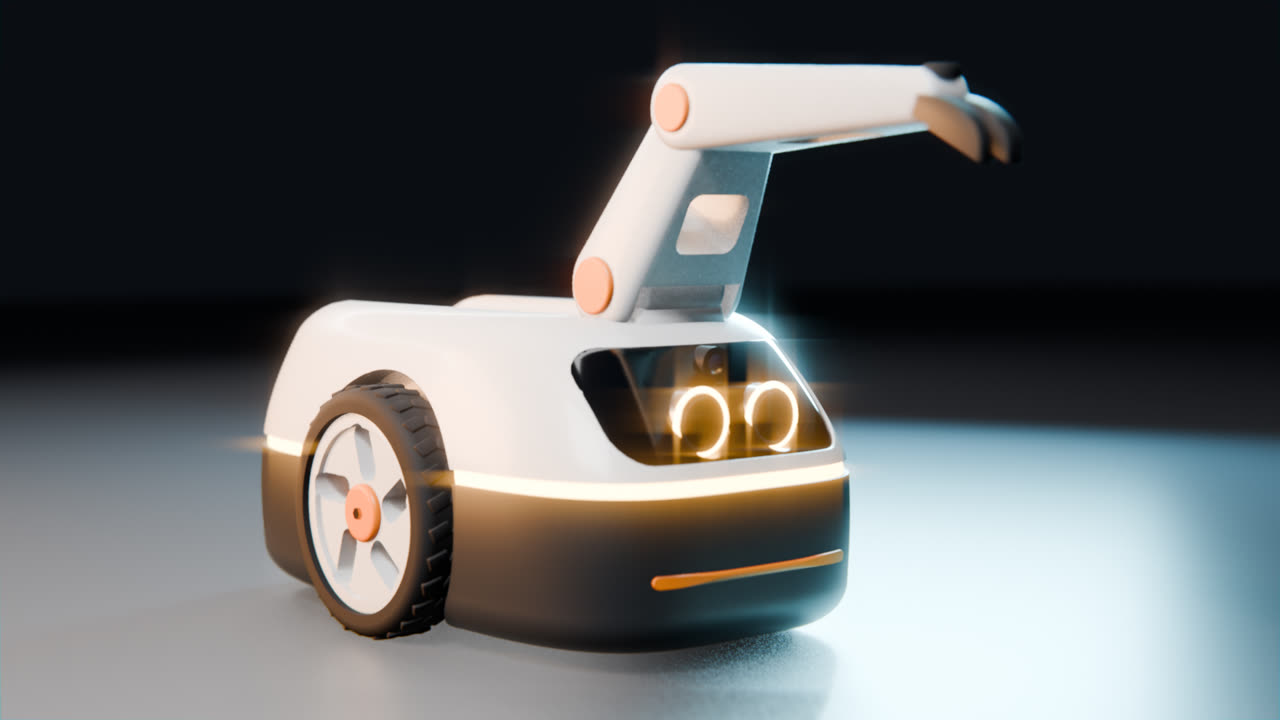
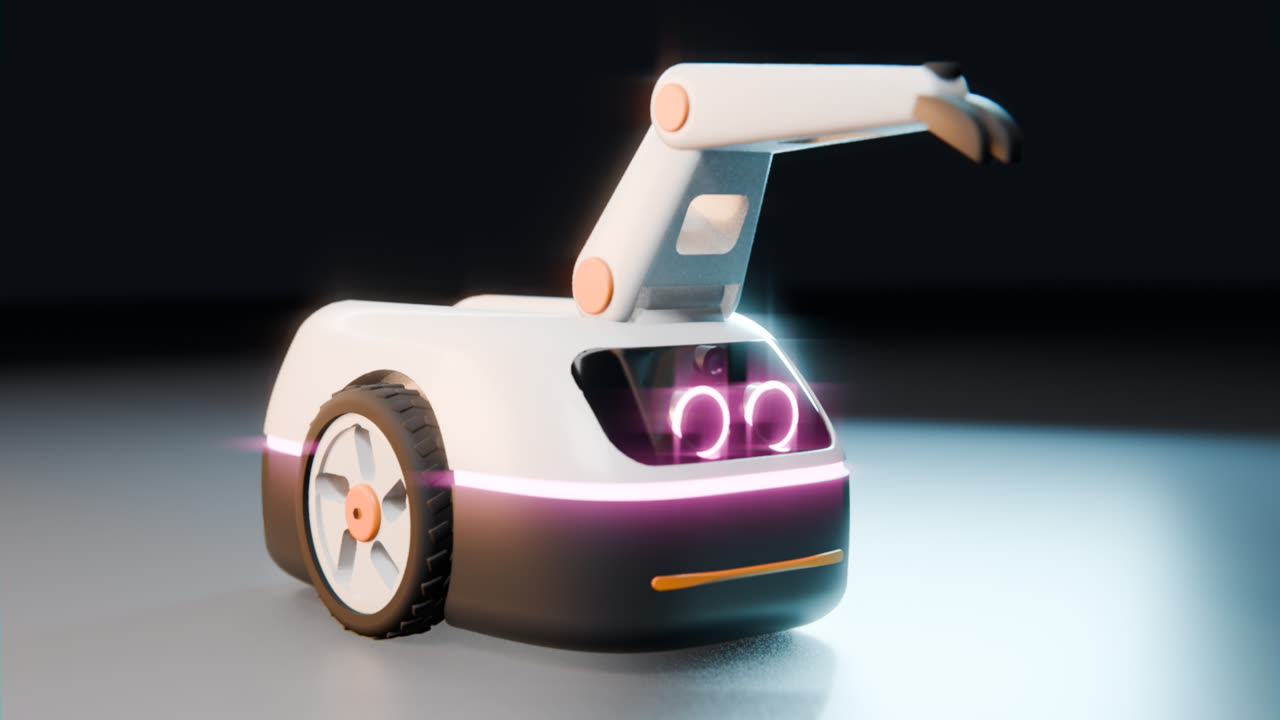
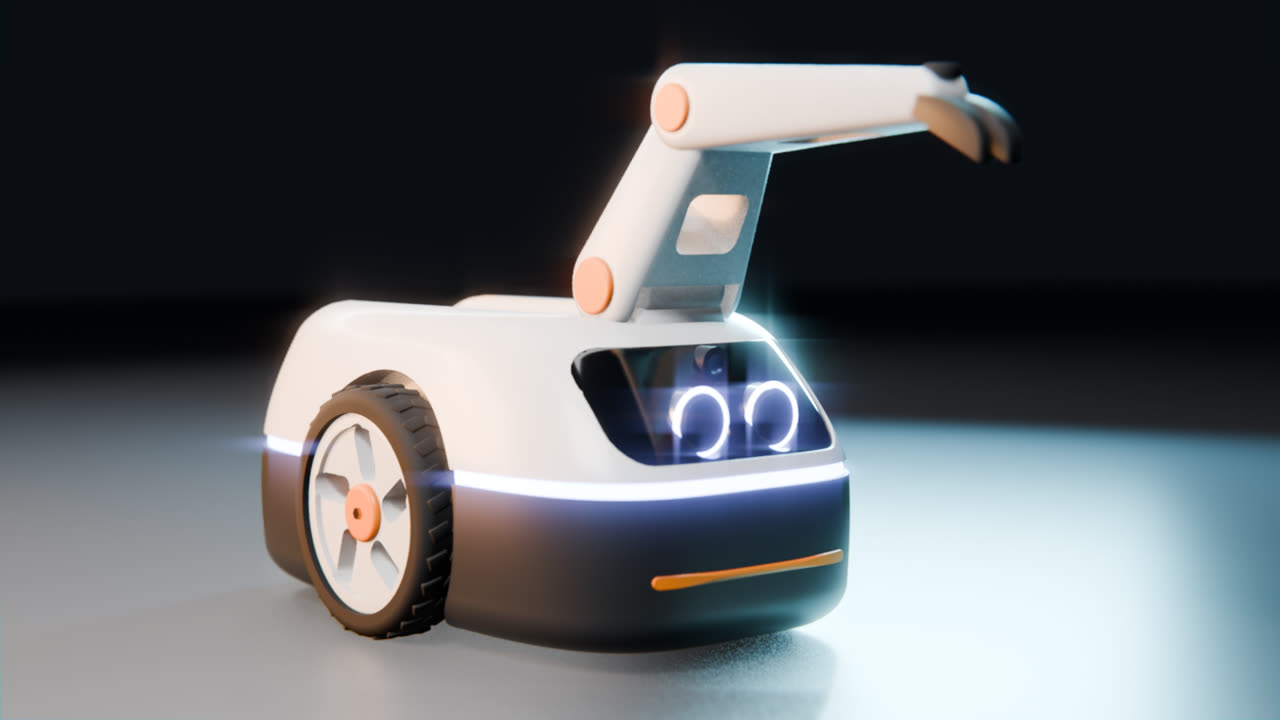
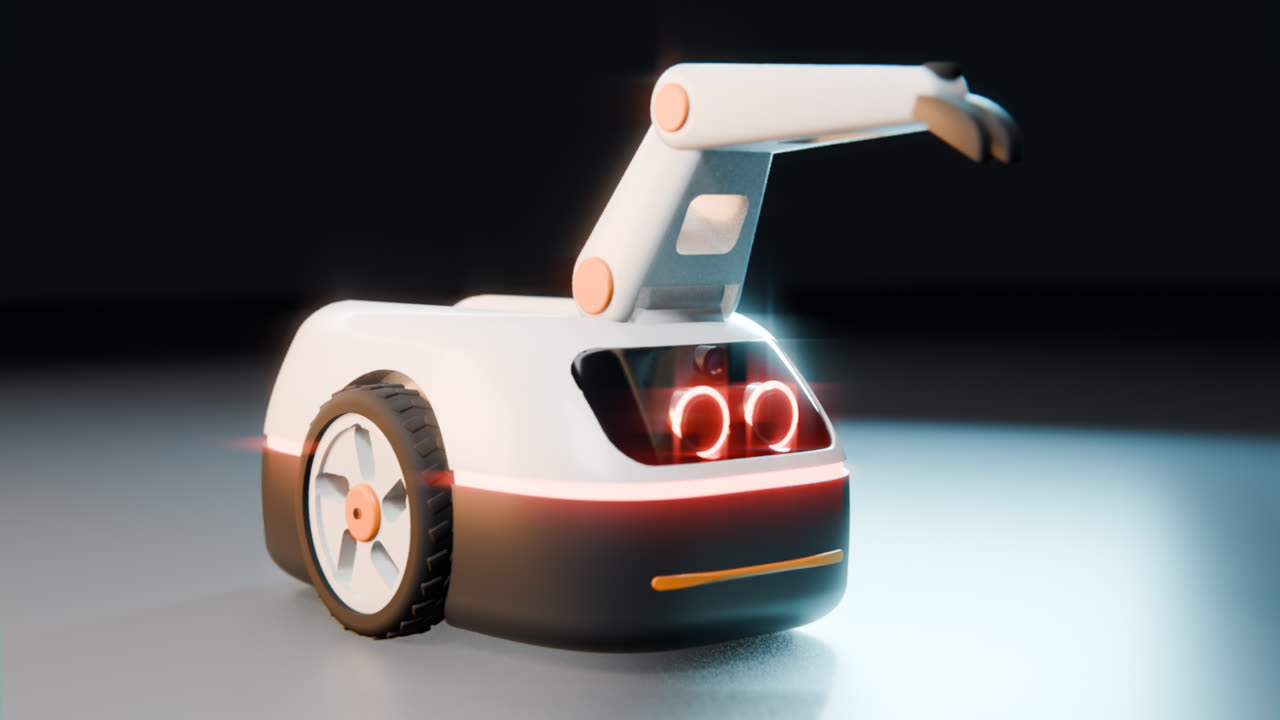
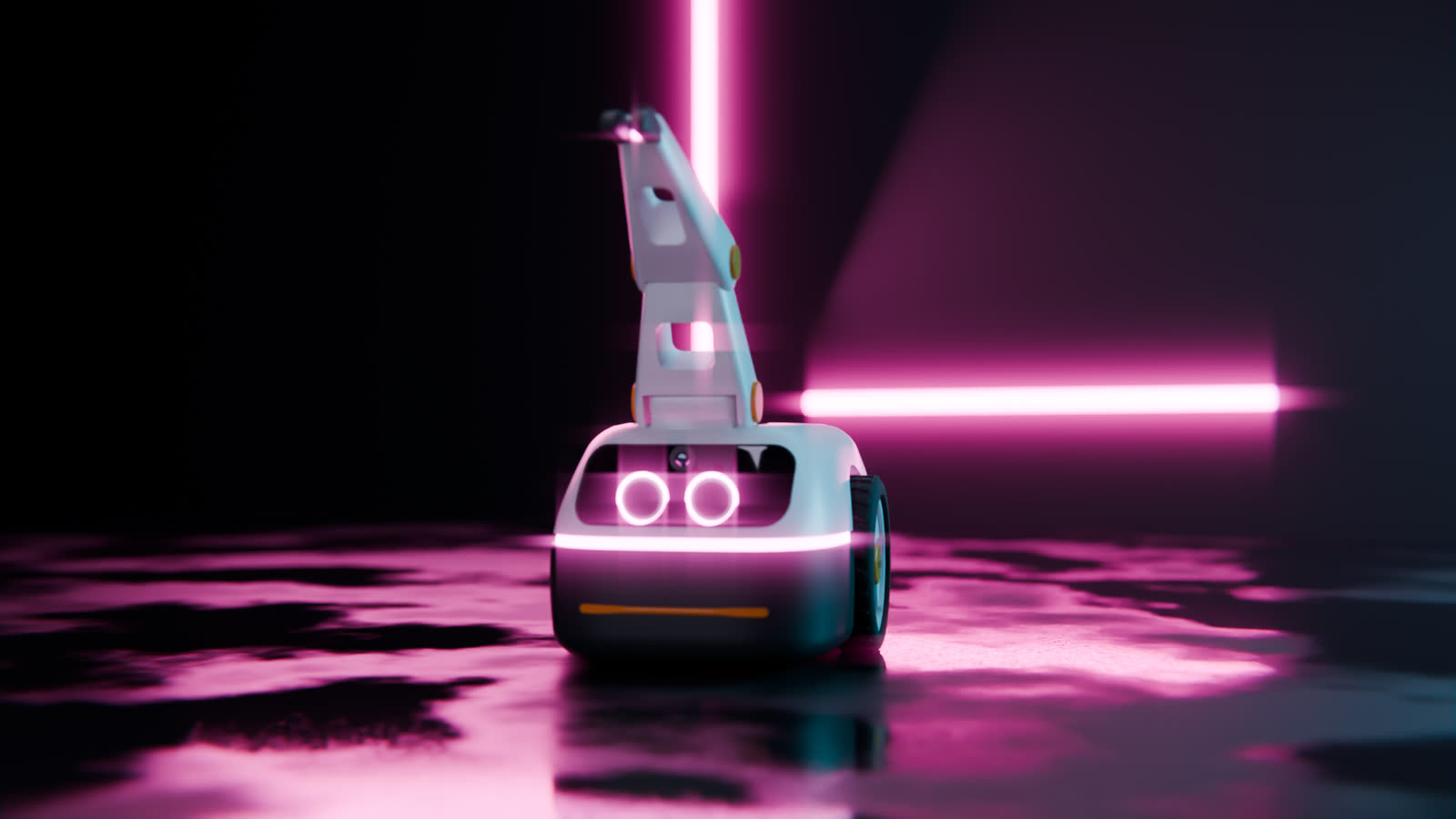
NOVA glowing cyan NOVA glowing green NOVA glowing amber NOVA glowing magenta NOVA glowing blue NOVA glowing red
Mood ring

You'll know how it feels before it says a word.

The language model picks the colour every cycle. Tap a mood to see it.

Arm lab

An arm that lives in the roof.

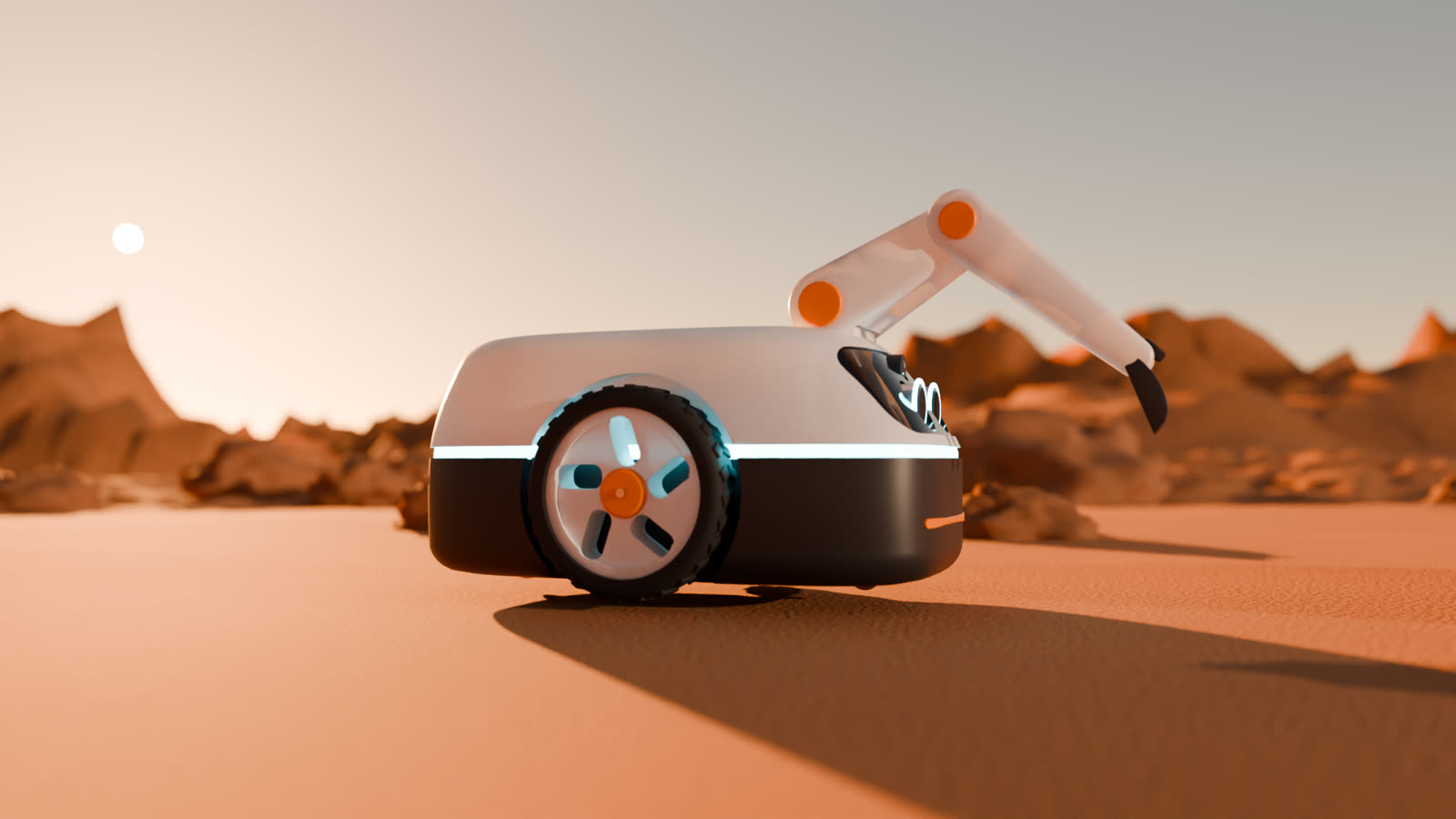
When NOVA drives, the two-joint arm folds flat into a bay in the roof. When it unfolds, it reaches the floor just in front of the bumper, right where the camera is looking. Move the joints yourself. These are the same angles the firmware uses.

Built-in skills

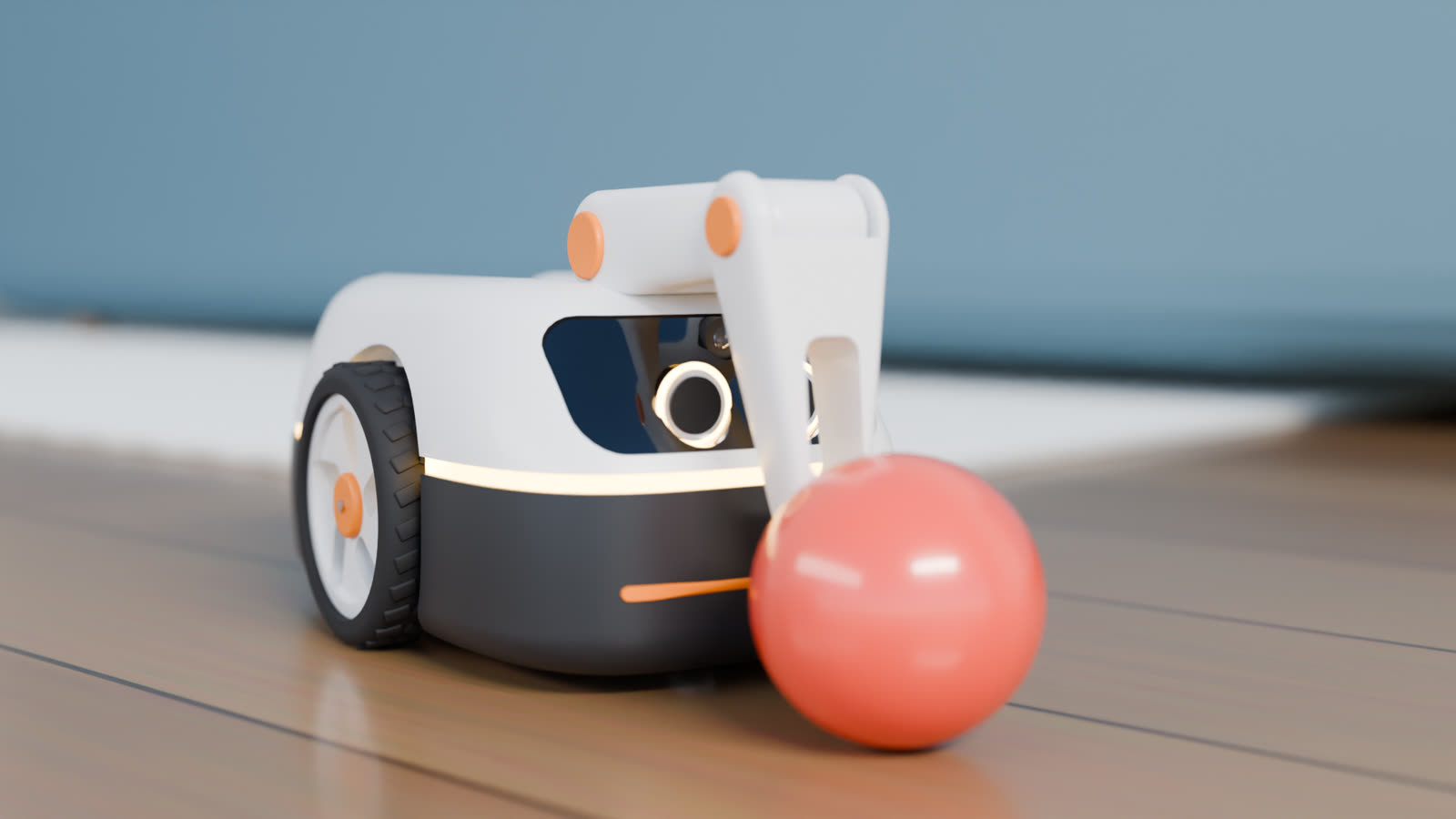
The model chooses from 14 skills, including tap, flick, scoop, push and wave. Every move is eased on the microcontroller, and checked with forward kinematics so the claw never hits the body or the floor.

Film

See it in motion.

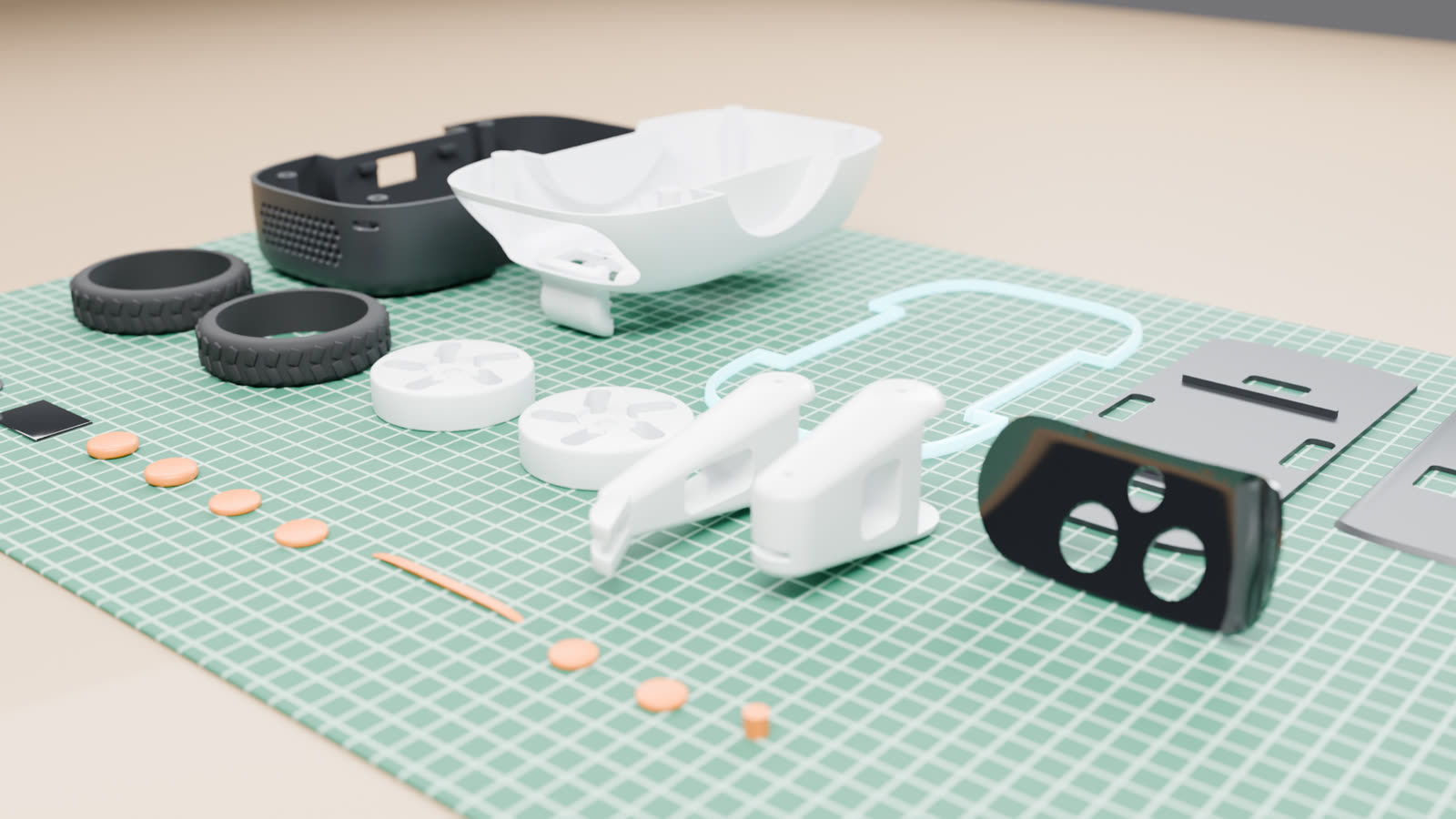
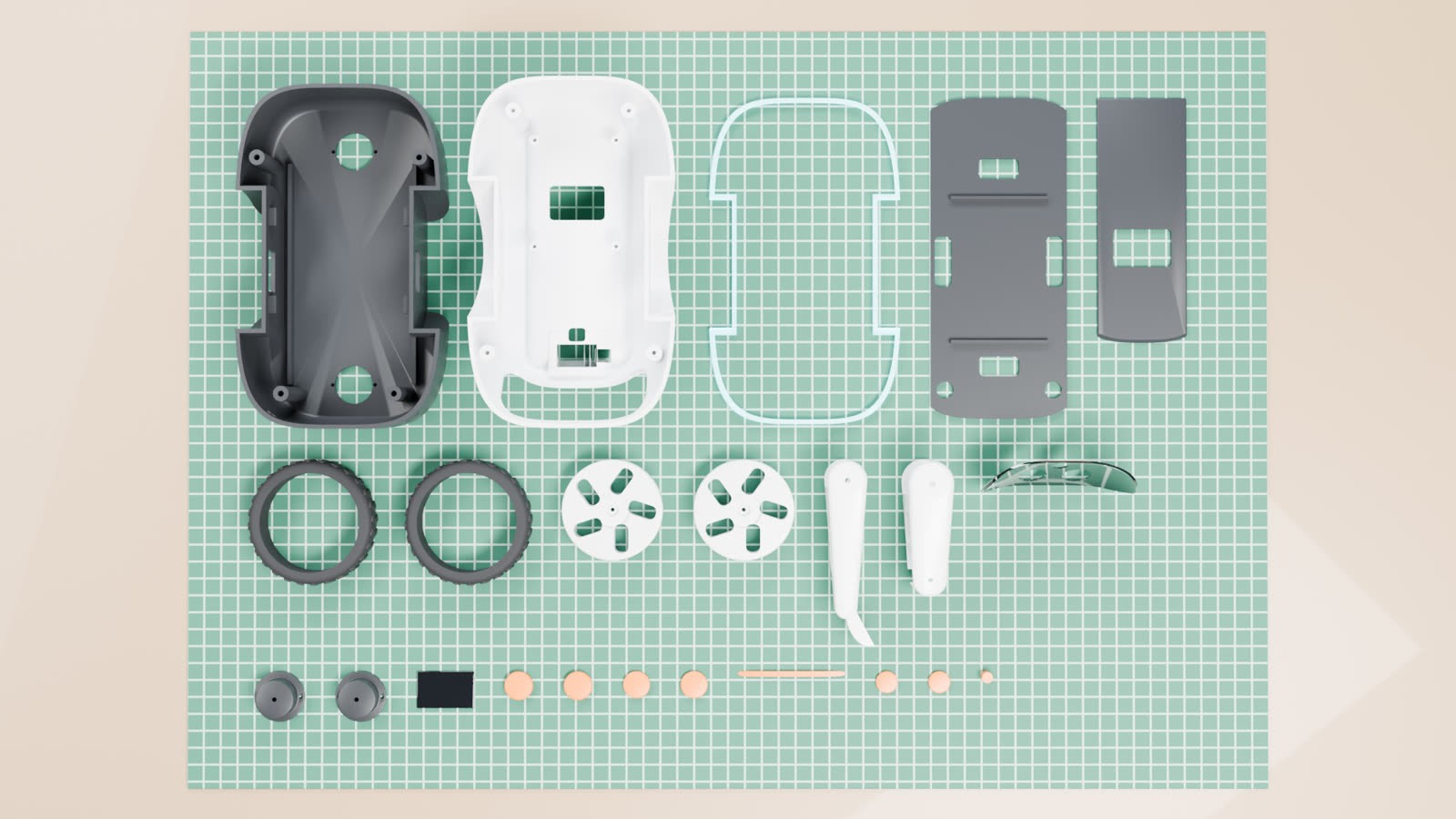
All 23 printed parts of the NOVA kit laid out
Designed to be printed

23 parts. Four materials. Built around real hardware.

The shell is designed around the real components. There are pockets for all four SG90 servos, horn recesses in the rims and arm links, M3 bosses that hold the halves together, Uno Q standoffs under the matrix window, ball casters, a breadboard deck and battery rails.

Pearl-white PLA canopy & arm
Graphite PLA tub & deck
Translucent PETG mood ring
Gloss-black PETG visor
Orange PLA caps & inlays
TPU 95A chevron tires
~250 gof filament
~1 hourto assemble
STL + sourcereprint or remix
How it thinks

A consciousness loop, every 20 seconds.

Sense

Camera frame, ultrasonic distance, temperature, humidity, and your voice.

Recall

Goal, plan, map, long-term memory and the last 12 events.

Reason

A multimodal LLM with a 16k-token thinking budget returns structured JSON.

Act

Drive, turn, run an arm skill, speak, play a sound, change mood.

Reflect

Write the outcome to memory. Change strategy if something keeps failing.

// what one decision looks like (example, abridged) { "speak": { "text": "Found your red ball! Let me give it a little flick." }, "rgb": "255,165,0", "moves": [ { "command": "left", "angle_deg": 15 }, { "command": "forward", "distance_cm": 12 } ], "arm_action": "flick", "plan": "Master asked me to play. Ball is 15 cm ahead, slightly left.", "memory": "My human likes when I play with the red ball in the living room." }
Specifications

Small body. Serious hardware.

Size (parked)205 × 132 × 112 mm
BrainArduino Uno Q: Linux MPU + real-time MCU
AIGemini 3 Flash / 3 Pro, structured output
DriveDifferential, turns on the spot, 2 ball casters
Wheels72 mm, TPU chevron tires
Arm2 DOF, 55 + 88 mm, hook-claw, 14 skills
Arm reachfloor, 2–5 cm ahead of the bumper
VisionUSB webcam with mic, in the visor
RangingHC-SR04 ultrasonic "eyes"
EnvironmentModulino Thermo: °C and humidity
ExpressionRGB mood ring, 13×8 LED matrix window
VoiceEN · RU · DE · IT · CZ
Power10 000 mAh USB power bank
SoftwarePython, Arduino C++, React dashboard
Founders batch

Bring NOVA home.

Reserve a kit from the first batch. You pay nothing now. We'll email you to confirm before anything ships.

Pre-order
$300USD
NOVA kit: every printed part + Arduino Uno Q
  • Arduino Uno Q (2 GB): Linux + microcontroller on one board
  • All 23 printed parts in their final colours, including TPU tires and the translucent mood ring
  • Firmware, AGI software and web dashboard (open source)
  • Illustrated assembly guide, plus STL files so you can reprint any part

No payment is taken on this page. We only use your email to contact you about your reservation.

You'll also need

These are cheap, standard parts available anywhere. The guide links to tested ones.

2 × SG90 360° servo (wheels)~$4
2 × SG90 180° servo (arm)~$4
HC-SR04 ultrasonic sensor~$1.5
USB webcam with microphone~$3
Mini speaker + USB-C hub~$5.5
RGB LED, breadboard, jumper wires~$5
10 000 mAh power bank~$10
2 × 12 mm steel balls, M3/M2 screws~$2
Total~$35

The AI runs on your own Google Cloud key. That costs about $1 per hour of continuous autonomy, and nothing while NOVA is idle.

FAQ

Questions, answered.

Do I need a 3D printer?

No. Every part comes printed in its final colour. The STL files are included too, so if you have a printer you can reprint, repair or remix anything.

Is it really autonomous?

Yes. With AGI mode on, NOVA runs its own sense, think, act loop. It decides where to go, what to say and what to do with its arm, all toward a goal you give it in plain language. You can take manual control from the dashboard at any moment.

Can the arm pick things up?

The arm has two joints and a fixed hook-claw. It can touch, tap, flick, push, scoop and hook light objects, but it doesn't grip. The design leaves room to upgrade to a gripper later.

How hard is the assembly?

If you can use a screwdriver and plug in jumper wires, you can build NOVA. There's no soldering. Plan on about an hour, following the illustrated guide.

What are the running costs?

The AI uses Google's Gemini API, billed to your own Google Cloud account. That's about half a cent per thinking cycle, or about $1 per hour of non-stop autonomy. When AGI mode is off, it costs nothing.

Is the software open source?

Yes. The firmware, the Python brain, the web dashboard and the full Blender and STL sources of the NOVA shell are all open. Hack it, extend it, teach it new skills.

When will it ship?

The founders batch is being prepared now. Reserve with your email and we'll write to you with the exact date and payment details before anything ships. You can cancel any time.

NOVA · AGI Robot

Give your desk a mind of its own.

Reserve for $300 NOVA parked, arm folded